


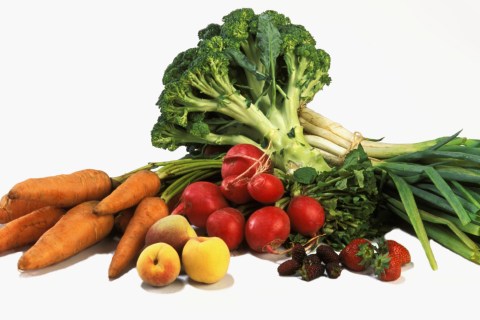
Turns out the stuff that is normally thought of as useful only for the compost heap—broccoli stalks, watermelon rinds, potato peelings, leaves around peaches and tomatoes—is not only edible, but some chefs consider them among their favorite ingredients.
It is estimated that roughly 25% of the food brought into American homes is never eaten. The estimate would surely be higher if every edible part of a vegetable was included in the equation.
A number of agriculture-minded chefs profiled in the New York Times who use every part of a vegetable possible like to point out that many veggie parts sliced off and dumped in the trash are every bit as edible as those cooked in pots or tossed into salads. As one organic farmer puts it in the story:
“a broccoli stalk is just as edible as the florets”
To which, many Americans might furrow their brows and respond: “Um, what the heck is a floret?” (For that matter, some might wonder, “What’s broccoli?”)
(MORE: Are Cooking Schools a Rip-Off?)
Seriously, though, the rise in consumers hitting farmers markets, gathering produce as members of community supported agriculture (CSA) programs and harvesting veggies in their own backyards has led many to wind up swimming in peelings and other organic debris that aren’t normally considered edible.
Before pitching them into the compost pile (or, if you must, the trash can), check out the creative recommendations of these waste-not chefs. (Note that many weeds are considered edible delicacies as well.) Some recipes sound more appetizing than others. Using potato peelings to make funky homemade potato chips sounds pretty darn delicious:
Deep-fry large pieces of peel in 350-degree oil and sprinkle with salt and paprika. This works best with starchy potatoes like russets.
But subbing crunchy melon rinds in place of cucumbers in a salad or soup? That’d be a hard one to sell in my house.
(MORE: The Joy and Wisdom of Eating Food Past the Expiration Date )
Brad Tuttle is a reporter at TIME. Find him on Twitter at @bradrtuttle. You can also continue the discussion on TIME’s Facebook page and on Twitter at @TIME.