


Pets and the economy have a curious relationship. Overall spending in the pet industry has risen steadily over the past few years, even as the economy has struggled. But spending on pets isn’t entirely recession-proof, as demonstrated by the increase in owners who are choosing cremation when their pets pass away, rather than electing for trendy (and more expensive) cemetery plots and burials. Now the tough economy is giving owners extra reason to watch their pooch’s back — because there has been a rise in dogs being stolen or kidnapped.
Since the recession began, a laundry list of quirky economic indicators has been observed — tooth-fairy payments, hot waitresses, men’s underwear sales, sales at thrift stores and married men having affairs, to name a few.
Here’s one to add to the list: according to USA Today, the number of dogs that have been snatched from unsuspecting owners has spiked. During the first seven months of 2011, per the American Kennel Club (AKC), there were reports of 224 stolen dogs, compared with 150 during the same time period last year. That’s a rise of 49%. Overall last year, there were 255 dogs reported stolen, up from 162 in 2009 and 71 in 2008.
What’s behind the rise in dognappings? Lisa Peterson, AKC spokeswoman, tells USA Today flatly, “The motivation is money and economics.”
(GALLERY: Top 10 Evil Animals)
Stolen dogs are often resold over the Internet. The dognapper may also wait to see if the owner will post a reward for the safe return of the dog, then collect the cash while making up a story about where the dog was located. That’s an easier crime to pull off than alerting the owner about an official dognapping and demanding a ransom. Other thieves just want a dog for their kids or themselves and don’t want to purchase or adopt one.
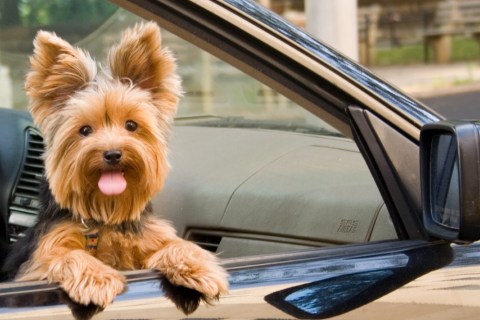
Peterson says that Yorkies, Pomeranians and other smaller breeds are the most likely dogs to be stolen. Why them? They’re especially popular nowadays among dog lovers, and because of their tiny size, they’re easier to snatch and hide.
(GALLERY: 12 Things You Should Stop Buying Now)
While many thieves will steal anything that can be easily transformed into quick cash, some specifically target dogs, says Peterson:
“We’ve seen car break-ins with the dog taken, but the GPS and laptop left.”
Brad Tuttle is a reporter at TIME. Find him on Twitter at @bradrtuttle. You can also continue the discussion on TIME’s Facebook page and on Twitter at @TIME.