


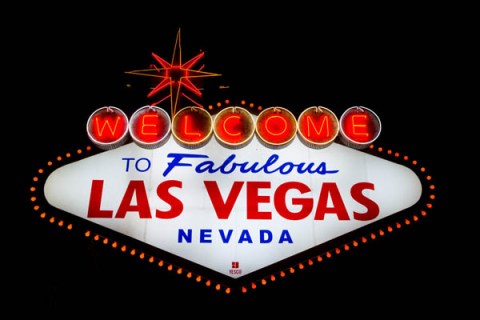
Nevada rolled out the welcome mat in the 1940s for mobsters who transformed the sleepy town of Las Vegas into Sin City. Now, the Silver State appears to be welcoming a new generation of entrepreneurs looking for a legal haven for otherwise dubious practices.
According to Reuters, Nevada has become the go-to state for people looking to create shell companies, which are firms set up with few assets that are sometimes used to evade taxes. Aaron Young, Wayne McMiniment and Richard Neiswonger are each convicted felons that have set up a “thriving business” helping set up those sorts of companies, Reuters says.
(LIST: 15 Financial Moves to Make Right Now)
Nevada officials decided a few years ago to loosen corporate disclosure requirements and offer generous legal protections not found in most states in the hopes of improving one of the worst economies in the country. Though many shell companies were legitimate, many were not.
“On average, in each year between 2000 and 2008, 14.5 percent of public Nevada companies restated their accounting; 12.6 percent lowered reported net income; and 1.3 percent were the subject of fraud allegations or investigations by regulators,” Reuters notes, citing a study published by two University of Virginia professors. Nationally, 8.5 percent of companies restated their accounts, 7.3 percent reduced their reported net income and 0.9 percent were subject to fraud allegations or probes.”
Nevada’s desire to attract more jobs is understandable given how the Great Recession decimated its economy. Unemployment is nearly 13% in the state, well above the 9.1% national average. Making matters worse is the state’s awful housing market. According to the Las Vegas Review-Journal, new-home sales have plunged 38% and are on pace to post their lowest total since housing market researcher Home Builders Research began tracking the market in 1988.
(MORE: Poverty Rates Soar in Suburbia)
When it comes to jobs, states are in an increasingly untenable situation. If they don’t offer huge tax breaks to companies, they will go to another state that will give them even bigger breaks. Meanwhile, a state’s existing businesses become angry because their competitors can wind up paying almost no local taxes. Taxpayers often wind up the losers in these deals.
For instance, Electrolux is set to break ground on a new $190 million factory in Memphis, most of which is being footed by taxpayers, according to The Commercial Appeal. Governments are borrowing more than $76 million to fund the project that local residents will be paying off through 2036. Electrolux was even exempted from diversity requirements that had been required of companies receiving local property tax breaks.
As of June, 42 states and the District of Columbia have closed, or are working to close, $103 billion in budget gaps, according to the Center on Budget and Policy Priorities.
Follow Jonathan Berr on Twitter @jdberr.