


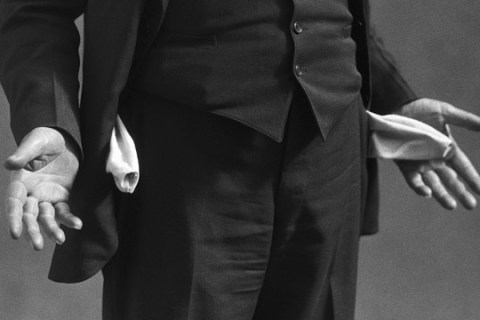
Throughout the recession and the slow, meek recovery that has followed, there has been much discussion about a “new normal.” After the financial collapse, there was a widespread shift among consumers, a tendency to scale back on unnecessary expenses—as some observers put it, to replace the mindless accumulation of the past with more “mindful spending.” Many wondered, however, whether consumers would soon return to the spendthrift habits of the past.
Based on the new TIME/Money American’s Financial Values Survey, the new normal ushered in by the recession has become the norm. Americans today are even more likely than they were a couple years ago to say that saving more, being more frugal and cost-conscious, and, interestingly enough, spending more time with their families, were priorities in their lives.
(MORE: Americans Overwhelmingly Pessimistic About the Economy, Says TIME/Money Magazine Survey)
The percentage of people, for instance, who agree with the statements “Increasing the amount I save is more important to me now;” “I feel guilty when I buy higher quality luxury products/services;” and “Spending time with family more important than ever” all increased from 2009 to 2011. There has also been an across-the-board rise in DIYers, with increases in the percentage of people who say they handle home maintenance, yard work, housecleaning, auto repairs, and even haircutting themselves, rather than paying someone else to do the work.
(Side note: Consumers have also been spending more on auto repairs in order to keep older vehicles on the road longer, rather than dropping more money to buy new cars.)
As for the shift in shopping habits, a rise in frugality is the rule. Survey respondents say they’re more likely to shop in discount and dollar stores nowadays (45% vs. 38% in 2009), use coupons (41% vs. 37%), and haggle over prices (36% vs. 23%). Over half (52%) of the general population rate themselves as highly frugal, and more than four out of five people (83%) indicate that the economy has caused them to be more frugal and cost-conscious in the long run. A vast majority also say they’re now spending more time looking for deals and discounts before making purchases (85%), they’re cutting back on luxury goods (84%), and they’re eating at home more often (80%).
(LIST: 15 Financial Moves to Make Right Now)
There are some exceptions to the spend less, save more ethos, however. Credit card use has crept back up, and people today are more likely to carry balances than they were a few years back. In 2008, 63% said they no longer carry a balance, compared to 43% in 2011.
But overall, a frugal approach has become the norm. When asked to rate themselves on a 1 to 10 scale, with the former being “not at all frugal” and the latter “extremely frugal,” the overall average skews to the frugal end: 7.3. More affluent Americans also portray themselves as frugal, with an average rating of 7.0.
Based on how pessimistic most Americans are about the economy improving anytime soon, there’s good reason to stick with frugality. If stalled economic growth is the norm for some time to come, then the “new normal” among consumers won’t be new at all: Instead, it’ll be a return to old-fashioned Yankee thrift.
(MORE: The Sad, Sorry State of the Middle Class)
Brad Tuttle is a reporter at TIME. Find him on Twitter at @bradrtuttle. You can also continue the discussion on TIME’s Facebook page and on Twitter at @TIME.