


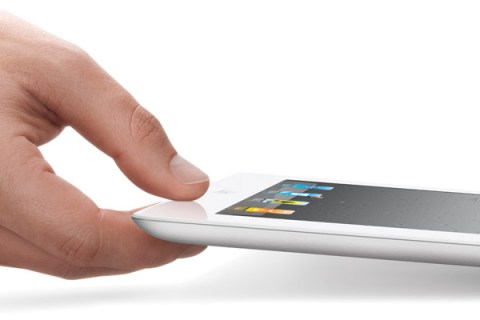
Perhaps browsing for merchandise with an iPad feels like a novelty, and the added excitement of using new technology pushes consumers to spend more—and spend more often—compared to online shopping via PC. Perhaps the color screens of tablets show goods off so brilliantly that shoppers are pushed over the edge to purchase. Perhaps the people who own tablets are just plain wealthier and more apt to buy all sorts of things, from Gap clothing to, well, iPads and other tablets. No matter what the explanation, retailers are paying close attention to the fact that consumers who shop with tablets buy more frequently and drop more cash than traditional online shoppers.
The Wall Street Journal reports that, on average, a consumer who uses a laptop or desktop PC to visit a retailer’s website makes a purchase 3% of the time. The conversion rate for shoppers who do their browsing via an iPad or other tablet, however, is 4% or 5%. Many retailers also say that consumers who make purchases with tablets also spend more than the typical customer—sometimes 10% or 20% more.
Why are tablet shoppers so ready and willing to buy? For one thing, studies show that consumers who buy tablets spend more time online after making their purchase—presumably, to enjoy and/or justify the money spent on the fun new gadget. Often, they wind up scoping merchandise at retailers like Macy’s, Gap, and Abercrombie & Fitch, all of which report that their highest conversion rates for purchases come from tablet shoppers. Also, the WSJ states:
Tablet owners tend to be wealthier, which gives retailers a self-selected audience of their best customers. They may also be encouraged to spend by less tangible attributes: large touchscreens that draw users into the content, and a portability that helps users get more comfortable than when surfing on PCs.
Perhaps as the novelty of shopping via tablet wears off and buying with an iPad becomes as mundane as a trip to the supermarket—just another way to part you with your cash—consumers will become just as likely (or unlikely) to buy no matter if shopping via PC, tablet, smartphone, or in person. (Do people shop in person in brick-and-mortar stores anymore?) After all, the end result is the same, with the consumer scoping out the options and giving a thumbs up or down on the decision to buy some new stuff.
(LIST: 12 Things You Should Stop Buying Right Now)
For the time being, though, it seems like there’s a stronger urge to buy when you’re browsing on an iPad. Retailers must love this. Ditto for Apple and other tablet manufacturers. As for consumers trying to keep their spending in check, put the iPad down.
Brad Tuttle is a reporter at TIME. Find him on Twitter at @bradrtuttle. You can also continue the discussion on TIME’s Facebook page and on Twitter at @TIME.