


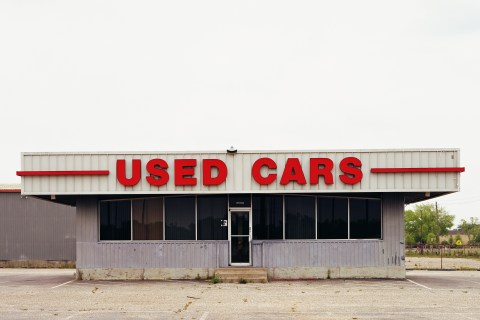
After used-vehicle prices reached a 16-year high last June, values for used cars have dropped by an average of 10%. Prices for fuel-efficient used automobiles, which were especially in demand while gas prices soared, have dipped by a whopping 20% since the cost of filling up at the pump declined. Based on seasonal trends and recent consumer behavior, used-car prices are expected to remain low over the next six weeks or so, before rising in early 2012—meaning the Christmas-New Year’s period is an ideal time to buy.
Crunching reams of data, CarGurus reports that “used car prices typically hit their lowest average of the year in the period between Thanksgiving and the first week of January, before rapidly correcting by February as demand comes back in the New Year.” By timing the purchase right, a buyer can expect to save about $800 by closing the deal in early winter, rather than mid-summer.
The folks at Kelley Blue Book, meanwhile, reach pretty much the same conclusion:
“Considering the already significant declines in used-car values since June, Kelley Blue Book predicts that values will decline an additional 3 to 4 percent by the end of the year,” said Alec Gutierrez, manager of vehicle valuation for Kelley Blue Book. “Used-car values typically decline through the fourth quarter due to a seasonal drop in demand that lasts through the holiday season. We believe sales volume also will decline through the remaining fourth quarter, similar to years past, and as a result values will likely remain soft through year-end, with few exceptions.”
(MORE: ‘Shameless’ J. Lo Drives Fiat on Stage: Most Brazen Product Placement Ever?)
Couldn’t it be possible that prices would continue to decline further into 2012? Anything’s possible, but this scenario is unlikely.
The New York Post is the latest outlet to report on the trend for drivers to hang onto cars longer before upgrading to a newer set of wheels. Typically, drivers dump their cars after eight or nine years, but the average vehicle on the road today is 11 years old. Owners are holding onto cars longer to save money during uncertain economic times, providing a boon for auto repair shops charged with keeping these older vehicles chugging along.
Because relatively fewer drivers are trading in leases or old cars they own with low mileage in decent condition, there’s a shortage of high-quality used cars on dealer lots. This shortage is likely to result in price increases once consumer demand kicks back up after the winter holidays have passed by.
(MORE: 5 Things to Keep in Mind If Buying or Selling a Used Car)
As 2012 progresses, used-car values are expected to remain high because, even if prices seem expensive, they’re still much cheaper than new car MSRPs. Sales of old cars and new cars are intimately intertwined: When fewer people are buying the latter, demand (and therefore, prices) of the former tend to go up.
Brad Tuttle is a reporter at TIME. Find him on Twitter at @bradrtuttle. You can also continue the discussion on TIME’s Facebook page and on Twitter at @TIME.