


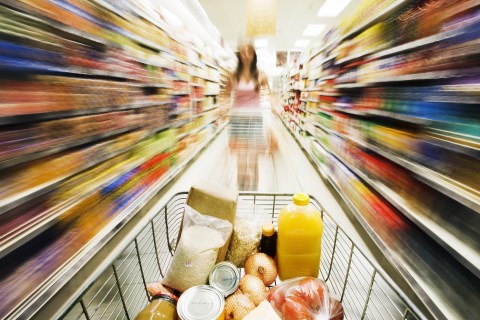
There’s an art to getting the unsuspecting shopper to spend more at the grocery store. Among the classic ploys is the use of misleading pricing and signage—like posting a “NOW!” price that would imply a discount, when the item is actually selling at the same old price.
These tricks are quite commonplace in U.S. supermarkets and stores. Thanks to a recent BBC investigation, it looks as if shoppers overseas also have to regularly deal with marketers pushing misleading “deals.”
Investigators shopped the aisles of the popular British supermarkets Asda, Tesco, Morrisons, and Sainsbury, and took special note of items with prices that were somehow listed as special or new. After analyzing various pricing and marketing strategies, what’s clear is that these grocers entice shoppers into paying more than they need to, or into buying a greater quantity of goods than they probably want, through the use of many of the same tricks employed their American counterparts such as Kroger, Safeway, and Stop & Shop.
(MORE: Why You Shouldn’t Buy Groceries at Drugstores)
For instance, a common assumption among shoppers is that a larger-sized item will be a better value compared to the same brand sold in a smaller bottle or box. That assumption is especially easy to accept when the larger item comes with a label that reads “bigger pack, better value.”
However, BBC researchers found several instances in which bigger doesn’t mean better value. What matters is the unit price, and sometimes, consumers wind up paying more per pound or gram when they buy the larger size. In one store, the “big value” sized stain remover actually cost $5 or so more than the cost of three smaller stain remover containers that added up to weigh the same as the single larger-sized container.
Another ploy used by grocers (and tons of other retailers, certainly) is strategically boosting the price of an item only so that the store can later mark it down to the old price—though it’ll be advertised at a newly “discounted” price. The Tesco brand alerts customers that an item has been marked down with the use of a “Big Price Drop” tag, which sounds fairly similar to another giant retailer’s periodic “Roll Back” pricing. For instance:
Tesco’s Big Price Drop seemed to do this with its medium whole fresh chickens, which rose from £4 up to £5 for a little over two months before the Big Price Drop saw it drop back down to the original price of £4.
(MORE: And the Nation’s Favorite Low-Cost Grocery Store Is …)
There is nothing particularly new about the use of these kinds of tricks to manipulate consumers into spending more than they want to on groceries. If nothing else, the BBC’s study brings to light that shoppers need to be more vigilant than ever. The marketers and supermarket executives certainly pay close attention to all the little details that can sway a shopper into spending a little more. Shoppers should be paying just as close attention.
Brad Tuttle is a reporter at TIME. Find him on Twitter at @bradrtuttle. You can also continue the discussion on TIME’s Facebook page and on Twitter at @TIME.