


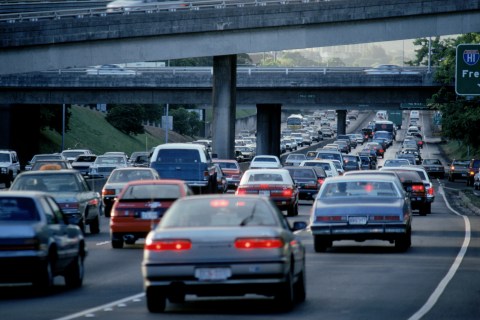
Buy a new car, and the odds are getting better and better that you’ll still have it when it’s an old car. Not long ago, after buying a car new, the average driver kept it for four years before selling it or trading it for another model. Today, though, the average “flip time” for hanging onto a new car has crept up to nearly six years. Now why might that be?
As you might guess, the sad state of the economy certainly has something to do with it. So, according to the analysis of automotive research firm R.L. Polk & Co., does the somewhat recent discovery among consumers that today’s cars are quite reliable and can be driven safely well over the 100K-mile point.
Data gathered by Polk indicate that, as of the third quarter of 2011, the average driver who purchases a car new hangs onto the vehicle for 71.4 months, or just shy of six years. That figure has been climbing for years, measuring about 60 months in 2009, 54 months in 2007, and 50 months in 2003, when the firm started tracking this information.
(MORE: Gas Prices Already Top $4 a Gallon in Three States)
The stats mirror those of the rising average age of all cars on the road today—measured at 11.1 years last summer up from 9.8 in 2009 and 9.0 in 2002.
The Great Recession, and continued economic struggle and high unemployment, are playing a big role in shifting consumer behavior and the aging of American cars. “Unemployment rates continue to be high, and we expect many consumers will suffer from the lingering effects of the downturn, further contributing to longer ownership trends,” said Mark Seng, Polk’s global aftermarket practice leader.
David Champion, senior director of Consumer Reports’ automotive test center, tells the Los Angeles Times that drivers are increasingly aware that cars can often be driven for 200,000 or more miles, and that therefore it makes financial sense to hang onto them longer. In the past:
“You would sell the car at 60,000 miles to get some residual value out of it. But nowadays 100,000 miles is only halfway through the life of the car,” Champion said.
(MORE: The Plug-In Surge: Best, Newest Hybrids & Electric Vehicles)
The trend may be slowing, however, as car sales have picked up in recent months, and sales are expected to be even stronger in 2012. Per the Detroit Free Press:
“We know people are buying because sales have risen nearly 10% last year and we expect that again this year,” said Paul Taylor, chief economist for the National Automobile Dealers Association. “Cars will slow considerably in the aging process as sales pick up.”
(MORE: Will Gen Y Lead the Shift from Gas-Powered Cars to Hybrids and Electric Vehicles?)
Even so, because of economic woes, better vehicle reliability, and changing ideas concerning the prestige and need to own an automobile, the allure of “new car smell” may never be as strong as it once was.
Brad Tuttle is a reporter at TIME. Find him on Twitter at @bradrtuttle. You can also continue the discussion on TIME’s Facebook page and on Twitter at @TIME.