J.D. Roth

J.D. Roth is an accidental personal-finance expert, i.e., a regular guy who found himself deep in debt. After deciding to turn his life around, he read everything he could about money and finance. In 2006, he started the award-winning blog Get Rich Slowly, which Money named the Web's most inspiring personal-finance blog. Get Rich Slowly has grown into an active community in which thousands of readers every month share ideas on how to improve their financial lives. Roth is the author of Your Money: The Missing Manual and writes for AwesomePeople.com. He lives with his wife and three cats in a hundred-year-old house in Portland, Ore.

Articles from Contributor

Sort by  

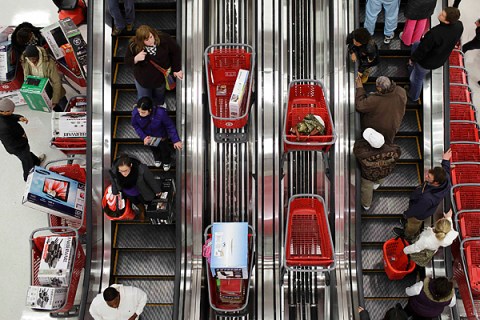
Going Shopping? Beware of Shopping Momentum

John Gress / Reuters

The Christmas shopping season is upon us, and if you decide to indulge in the shopping frenzy, be careful. Not just of your health, but of your wallet. Buying at bargain prices is a worthy thing, but once you start shopping it can be tough to stop. This isn’t just an urban myth, either. Research from [...]

How to Save For Your Dream Vacation

J.D. Roth

I just returned from a six-week vacation to Bolivia and Peru. Since the beginning of October, I’ve been climbing mountains, exploring ancient ruins, and sipping pisco sours. Many folks dream of taking trips like this, but few people make it happen. (Well, except for Australians it seems. In Peru, I met dozens of Australians who had [...]

America’s Love-Hate Relationship with Wealth

Deborah Harrison / Getty Images

I’ve been on the road for the past two months, mostly in Bolivia and Peru, where I was pretty off the grid and didn’t keep up with the news. So I arrived home to find a strange phenomenon: Protesters “occupying” Wall Street. And Oakland. And Portland. And many other places as well.

The Benefits of Buying Virtually Everything Used

Alan Powdrill / Getty Images

Most folks understand that buying a new car is — on paper at least — a poor financial decision. Buying a used car generally provides substantial long-term savings. But did you know there’s a growing number of folks who try to buy everything used? Or if not everything, then at least as much as possible.

The Right Way to Cancel a Credit Card

Roy Hsu / Getty Images

When I was younger, I carried more than $20,000 in credit card debt, and it took a long time to recover. While credit cards aren’t evil, they can be very dangerous. So if you’re planning to cancel one of your cards, make sure you do it wisely.

Don’t Panic! Why Falling Stock Prices Are a Good Thing

Alex and Laila / Getty Images

As tends to happen, yesterday’s dramatic stock market decline has put some investors on edge. The other day, I talked with my friend who is a financial planner, and he told me that after the market dropped by 15% in early August, he couldn’t keep certain clients from selling. They were scared to be caught [...]

Debt Tsunamis, Debt Snowballs, and Why the Conventional Wisdom About Defeating Debt is Wrong

debthand

When you’re in debt, one of the toughest problems is knowing where to start. It’s not that you have just one debt. You have several. Or dozens. Which debt should you pay off first?

The Easiest Way to Grow Your Investment A Hundred-Fold? Home Maintenance

Image Source / Getty Images

Just as daily exercise and a sensible diet keep your body healthy and help you avoid costly medical bills, regular home maintenance keeps normal wear-and-tear from developing into emergency repairs.

The Right Way to Loan Money to Family and Friends

Images Source / Getty Images

When a friend or a family members asks to borrow money, your first inclination is probably to help out. You can save yourself a lot of grief by knowing in advance how you'll handle these situations.

A Message From Your Financial Future: Thanks for Keeping It Real

Getty Images

You make financial decisions when you’re younger, but it’s your future self that has to pay for them.

How Much Should You Save for Emergencies?

Steven Puetzer / Getty Images

A few years ago, the personal saving rate had dwindled to barely one percent. Americans were spending nearly all of their disposable incomes. Now, however, the personal saving rate hovers at about five percent. With all this saving going on, many folks are faced with a burning question: How much should we save, anyhow? How much is enough to survive a financial emergency?